 By
By 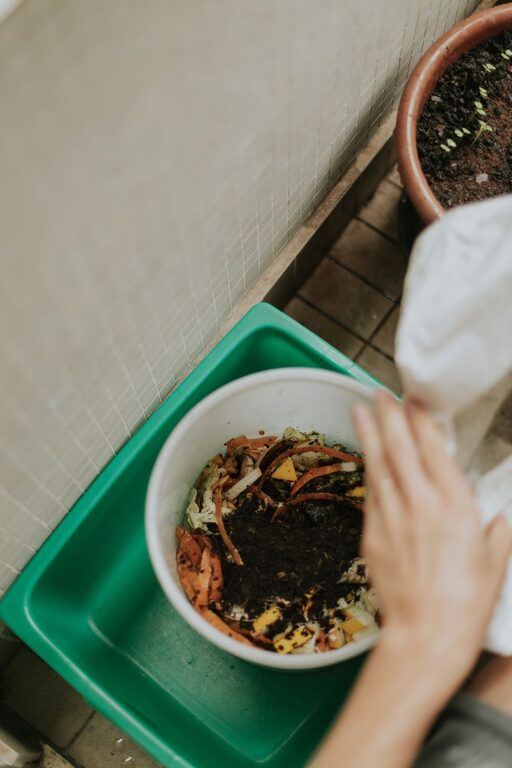
Composting at home is a wonderful way to reduce waste and create nutrient-rich soil for your garden. If you’re new to composting, it might seem a bit intimidating at first, but with a few basic tips, you can start turning your kitchen scraps and yard waste into valuable compost in no time. This guide is designed to help beginners get comfortable with the process and enjoy the benefits of composting.
What Is Composting?
Composting is the natural process of recycling organic materials, like food scraps and yard waste, into a rich soil amendment. This process happens when microorganisms break down organic matter, producing compost that improves soil structure, moisture retention, and plant health.
Why Compost at Home?
– Reduces landfill waste: Composting keeps food scraps and yard clippings out of the trash, reducing methane gases produced by landfills.
– Enriches soil: Compost adds nutrients and beneficial microbes to your garden soil.
– Saves money: Healthy soil means less need for chemical fertilizers.
– Helps the environment: Composting conserves resources and lowers your carbon footprint.
Getting Started: Choose the Right Composting Method
There are several composting methods suitable for beginners:
1. Traditional Backyard Compost Bin
A compost bin is a container where you add your compostable materials. These bins help contain the compost and keep pests away. You can purchase a compost bin or build one yourself.
2. Compost Pile
If you have enough outdoor space, you can simply create a compost pile on your yard. It’s less contained but works well with a mix of materials and regular turning.
3. Worm Composting (Vermicomposting)
Using special composting worms, like red wigglers, to break down food waste indoors is a great option for small spaces or apartment living.
Tips for Successful Composting
Start with the Right Ingredients
Compost needs a balance of “greens” and “browns”:
– Greens: Nitrogen-rich materials, such as fruit and vegetable scraps, coffee grounds, fresh grass clippings, and plant trimmings.
– Browns: Carbon-rich materials, including dry leaves, shredded newspaper, cardboard, straw, and wood chips.
A good rule of thumb is to use roughly 2 to 3 parts browns to 1 part greens. Browns help add structure and aeration, while greens provide nitrogen for microbes.
Avoid Adding These Items
Not everything should go into your compost:
– Meat, dairy, and oily foods (can attract pests and cause odor)
– Diseased plants (may spread disease)
– Pet waste (can contain harmful pathogens)
– Coal or charcoal ashes (contain harmful chemicals)
– Invasive weeds or plants with seeds (might sprout in compost)
Maintain Proper Moisture
Your compost should be damp, like a wrung-out sponge. Too dry and the decomposition slows; too wet and it can become smelly. Water your pile occasionally and turn it to improve airflow.
Turn Your Compost Regularly
Turning mixes materials and introduces oxygen, which helps microbes break down waste faster. Aim to turn your pile every 1 to 2 weeks with a garden fork or compost aerator.
Be Patient
Composting can take anywhere from a few weeks to several months depending on factors like temperature, moisture, and materials. Finished compost is dark, crumbly, and smells earthy.
How to Use Your Finished Compost
Once your compost is ready, you can:
– Mix it into garden beds to enrich soil.
– Use it as mulch around plants to retain moisture.
– Add it to potted plants to improve soil quality.
– Spread it on your lawn as a natural fertilizer.
Troubleshooting Common Composting Issues
– Bad odor: Usually caused by too much moisture or greens. Add dry browns and turn your pile.
– Pile not heating up: Add fresh greens and turn the pile to increase oxygen.
– Pests: Avoid adding meat or oily food and consider a closed bin.
– Slow decomposition: Chop materials into smaller pieces and maintain moisture and air flow.
Final Thoughts
Starting a compost bin at home is easier than it seems and rewarding in many ways. By following these beginner tips, you’ll reduce waste, create healthy soil, and watch your garden thrive. Remember, composting is a natural process—don’t stress about perfection, and enjoy learning as you go!
Happy composting!